Emotion Expression

Better emotional performance and expression.

Last updated:


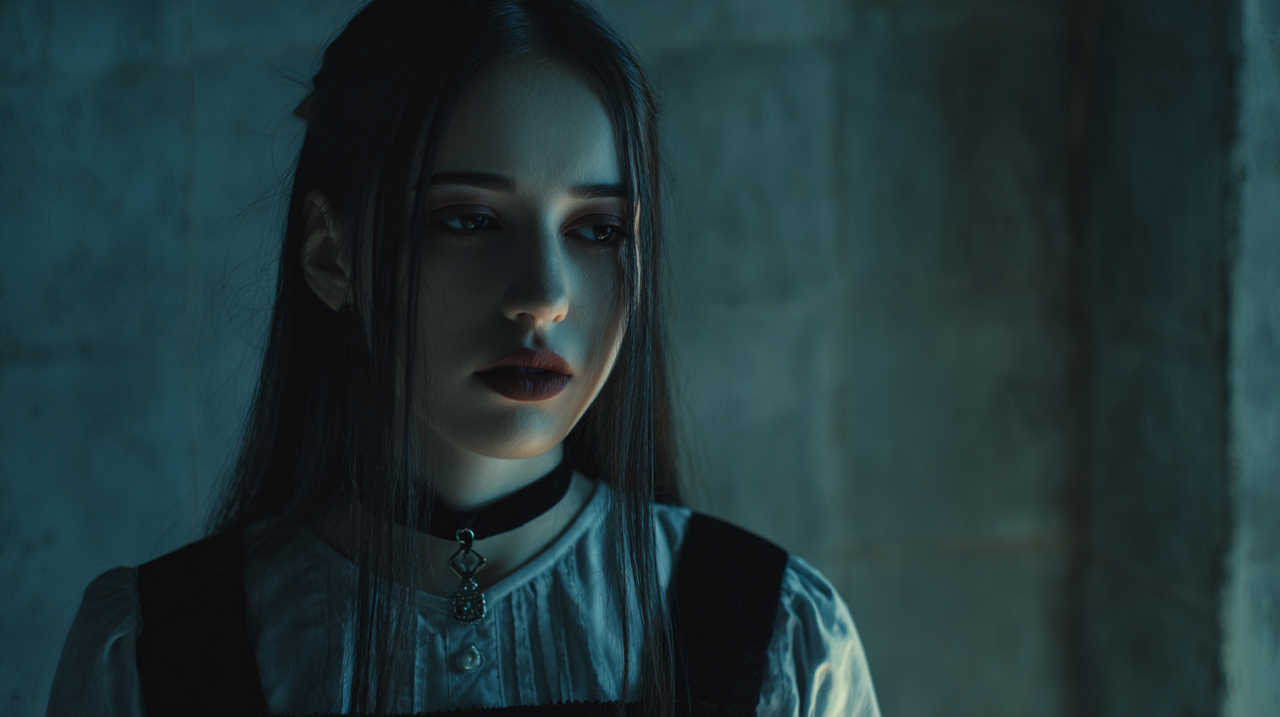





AI characters often look flat or fake—emotion doesn’t land. Seedance 2.0 improves micro-expressions and body language so characters can show joy, sadness, surprise, or anger in a more natural way; eyes, mouth, and gesture all read better. If you want AI characters with real “acting,” 2.0 gets you there.

How to read capability pages

These pages are written as third-party reference summaries rather than official product documentation.

Source basis

Capability descriptions summarize public Seedance 2.0 launch materials, public project pages, and other publicly accessible explanatory write-ups.

Boundary

This site does not represent Seedance, official product support, or any authorized partnership unless a page explicitly states that with documented basis.

Timeliness

Platform access, supported features, pricing, UI, and availability can change. Use official or primary sources for current information.

Emotion Expression cover image

Emotional performance is improved for more expressive and nuanced character delivery. How it works: the model generates characters whose facial micro-expressions (eye movement, mouth shape, brow position) and body language (gesture, posture, movement intensity) respond to the emotional context described in your prompt. Instead of flat, neutral faces, characters can express joy, sadness, surprise, anger, or subtler states like hesitation or curiosity. When to use this: virtual-human and VTuber content where emotional connection drives audience engagement; brand storytelling where character emotion carries the narrative; educational content where an instructor character needs to appear warm and approachable; social-media shorts where expressive characters boost watch-time and shares. Tips and practical notes: be specific about the emotion and its intensity in your prompt — 'gentle smile with a slight head tilt' produces more nuanced results than just 'happy.' For dialogue scenes, pair emotion expression with native audio to get synchronized vocal tone and facial expression. The model handles transitions between emotions within a single shot (e.g., 'starts surprised then breaks into laughter'), which is useful for short narrative content. Combine with character consistency to ensure the same character maintains its identity while expressing different emotions across shots.

Reference Example
Virtual Idol AgencyVirtual Human/VTuber

AI Virtual Human Emotional Live Streaming

Reported context

Traditional virtual avatars have rigid expressions and monotonous emotions, making it difficult to establish emotional connections with viewers; interaction retention rate is low

Reported use

Used emotion expression controls so AI virtual humans could show richer expressions and body language during live content.

Cited / reported data

Public case recaps cite livestream interaction rising 180%, average viewing time tripling, follower count exceeding 1 million, and endorsement revenue growing 5x.

Reading note:Micro-expression and body-language controls made the performances easier to read.

Source basis

Illustrative cases on this site are compiled from public campaign recaps and secondary reporting available at the time of writing.

Time context

Metrics reflect the reported campaign period and should not be treated as current performance benchmarks.

Data note

Brand names and figures are cited for explanatory use only, not as endorsements, guarantees, or independently audited results.

Emotion Expression example image

Emotion Expression Examples

Expressions, emotions, body language, transformation effects.

Image & video reference

FilmIntermediateEmotional expression replication from references

Reference @image1, @image2, @video1 for emotion and expression performance.

Reference images

1Image & video reference - Reference images 1

Reference images 1: Image & video reference

2Image & video reference - Reference images 2

Reference images 2: Image & video reference

Reference video

1Image & video reference - Reference video 1

Reference video 1: Image & video reference

Generated result

Seedance 2.0 Image & video reference — Generated result

Generated result: Image & video reference — Emotional expression replication from references

Range hood ad

AdvertisingIntermediateProduct comparison through emotional contrast

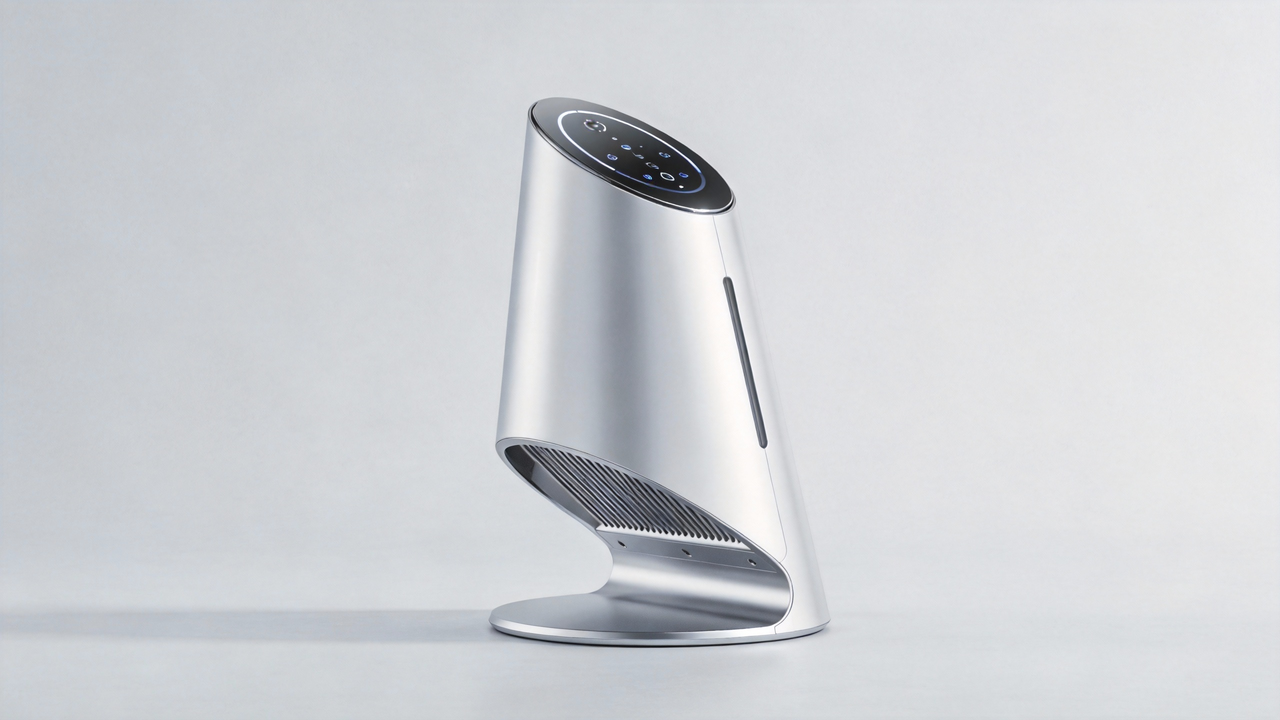
Range hood ad, @image1 as first frame, woman cooks elegantly, no smoke. Pan right to @image2 man sweating, red-faced, heavy smoke. Pan left to @image1 range hood on counter, reference @image3, hood sucking smoke.

Reference images

1Range hood ad - Reference images 1

Reference images 1: Range hood ad

2Range hood ad - Reference images 2

Reference images 2: Range hood ad

3Range hood ad - Reference images 3

Reference images 3: Range hood ad

Generated result

Seedance 2.0 Range hood ad — Generated result

Generated result: Range hood ad — Product comparison through emotional contrast

Roar & transform to bear

Short VideoIntermediateDramatic transformation with emotional expression

@image1 as first frame, camera rotates and pushes in, character looks up suddenly, face reference @image2, roars loudly with comedic energy, expression reference @image3. Then body transforms into bear, reference @image4.

Reference images

1Roar & transform to bear - Reference images 1

Reference images 1: Roar & transform to bear

2Roar & transform to bear - Reference images 2

Reference images 2: Roar & transform to bear

3Roar & transform to bear - Reference images 3

Reference images 3: Roar & transform to bear

4Roar & transform to bear - Reference images 4

Reference images 4: Roar & transform to bear

Generated result

Seedance 2.0 Roar & transform to bear — Generated result

Generated result: Roar & transform to bear — Dramatic transformation with emotional expression

Frequently asked questions

How does Seedance 2.0 improve emotion expression?

Seedance 2.0 improves micro-expressions and body language so characters can show joy, sadness, surprise, or anger more naturally. Eyes, mouth, and gesture all read better for more believable 'acting.'

Is emotion expression useful for virtual humans?

Yes. It can be useful for virtual idols, VTubers, and other AI characters that need richer expressions and body language in live or recorded content.

Can characters transition between emotions in one shot?

Yes. The model handles emotional transitions within a single generation — for example, 'starts surprised then breaks into laughter.' This is useful for short narrative content where emotional shifts drive the story.

How specific should emotion prompts be?

More specific is better. 'Gentle smile with a slight head tilt' produces more nuanced results than just 'happy.' Describe both the emotion and physical expression for the best results.

Reviewer
Reviewed by Elser AI Editorial Team
Last reviewed
Content basis
Third-party compilation from public sources

This content is compiled from publicly available materials and does not represent official product documentation.

Related capabilities